LOCAL PERSPECTIVE
The short version
The sea around Antigua is a workplace, food source, transport route, recreation space, weather system and tourism asset. Its importance is economic and cultural—not merely scenic.
The coastline is working infrastructure
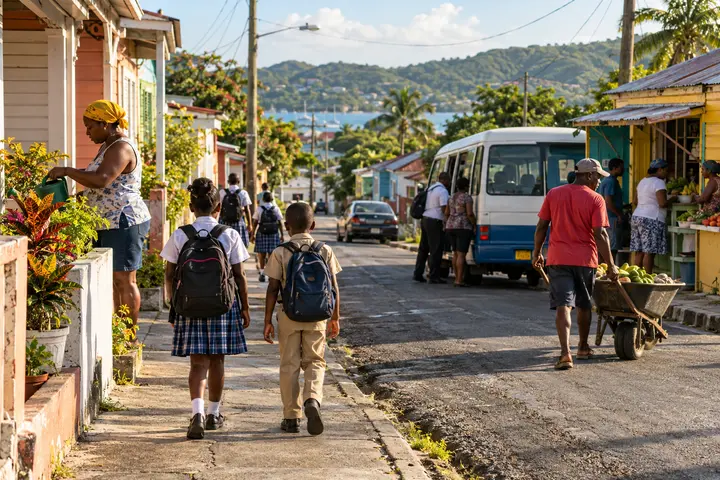
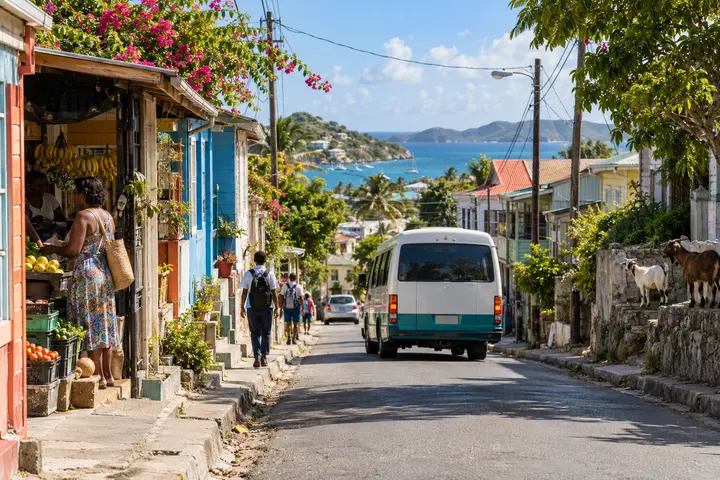
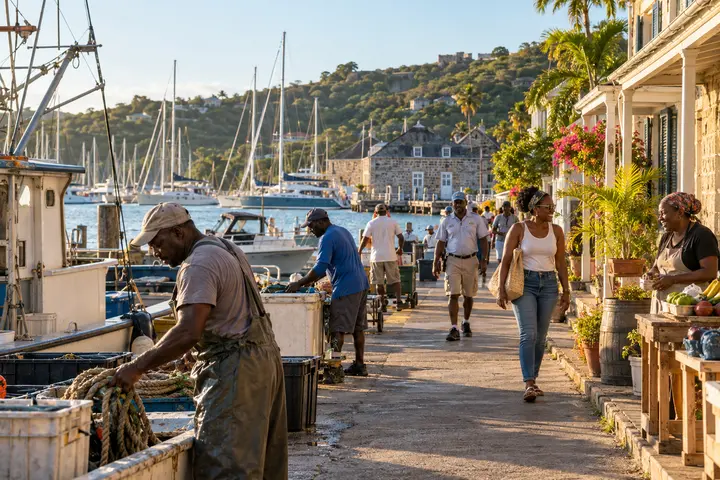
Fishers, sailors, tour guides, boat technicians, dock staff, restaurant workers and transport operators depend directly or indirectly on coastal activity. A quiet-looking bay may contain fishing routes, moorings, swim areas and sensitive habitat. Understanding the shoreline means seeing the work taking place there, not only the view.
Fishing connects food, skill and weather
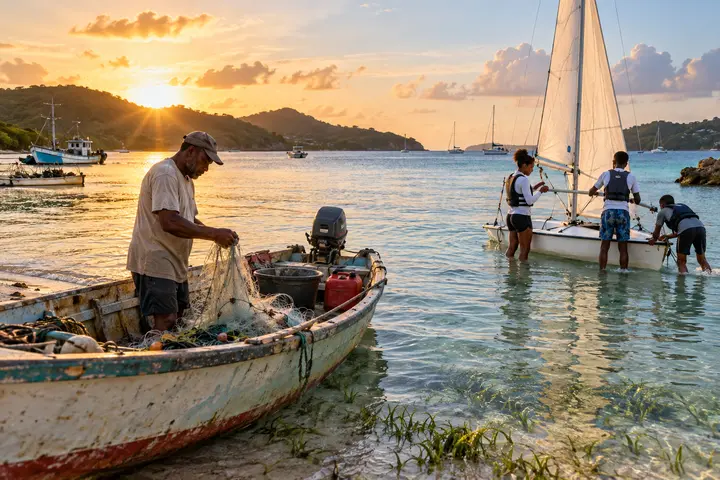
Small-scale fishing requires knowledge of seasons, grounds, currents, species, gear and rapidly changing conditions. Catch availability affects restaurants and household cooking. Romantic images of a colourful boat hide the cost of fuel, maintenance and risk; fishing is cultural knowledge, but it is also demanding commercial work.
Sailing shaped Antigua’s international identity
Protected harbours and reliable trade winds helped English Harbour become a major yachting centre. Sailing Week and other regattas bring global attention, while local sailors, instructors and marine trades translate that attention into employment. The sailing economy reaches well beyond the people visible on the yachts.
Reefs and seagrass are natural infrastructure
Coral reefs reduce wave energy and provide habitat. Seagrass beds support juvenile marine life and feeding turtles while helping stabilise sediment. These systems protect shorelines and power the visitor economy. Anchoring carelessly, standing on coral or removing marine material causes practical economic harm as well as ecological damage.
Weather decides what the sea allows
Wind direction, swell, rainfall and storms affect each coast differently. A sunny forecast does not guarantee calm water everywhere. Local operators evaluate actual conditions because the same day may produce a sheltered bay on one side of Antigua and difficult entry on another. The ocean—not the booking calendar—has the final decision.
Enjoyment should create responsibility
A guided experience can make the sea feel welcoming, but access should deepen respect. Follow briefings, keep distance from wildlife, use reef-safe habits and leave shells, coral and historic material where they are. The best ocean tourism helps visitors understand why healthy water matters long after the photograph is taken.
A NOTE ON PERSPECTIVE
No single voice represents every Antiguan.
This guide reflects local experience and careful review, but communities, households and generations differ. Where a subject deserves several voices, treat this as a starting point rather than the final word.