LOCAL PERSPECTIVE
The short version
Growing up in Antigua can mean close family networks, strong school identities, outdoor freedom and community familiarity. It also involves academic pressure, transport limits and experiences that vary widely between households.
School identity follows people into adulthood
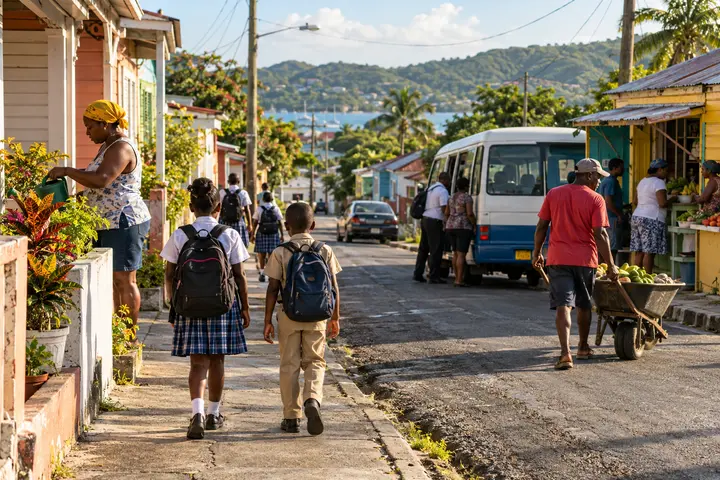
Uniforms, assemblies, sports days, exams and school rivalries are major parts of childhood. Asking where someone went to school often reveals mutual friends, teachers and family connections. Academic expectations can be intense, particularly around regional examinations, and school reputation may influence how young people imagine their future.
Family networks are both support and accountability
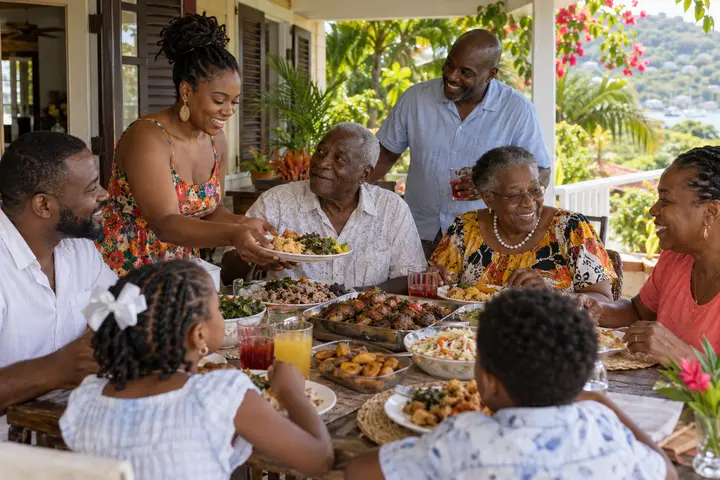
Grandparents, aunts, uncles, cousins, neighbours and church members may all participate in raising a child. That network provides care and belonging, but it also means behaviour travels quickly. On a small island, anonymity is limited; a child can be recognised by family resemblance or surname before making an introduction.
The island can feel large when you depend on adults
Distances look short to a visitor with a rental car, yet a child’s independence depends on bus routes, parents and carefully coordinated lifts. Activities across the island require planning. Teenagers may know many communities but still have limited freedom to travel between them without support.
Sport, culture and church create belonging
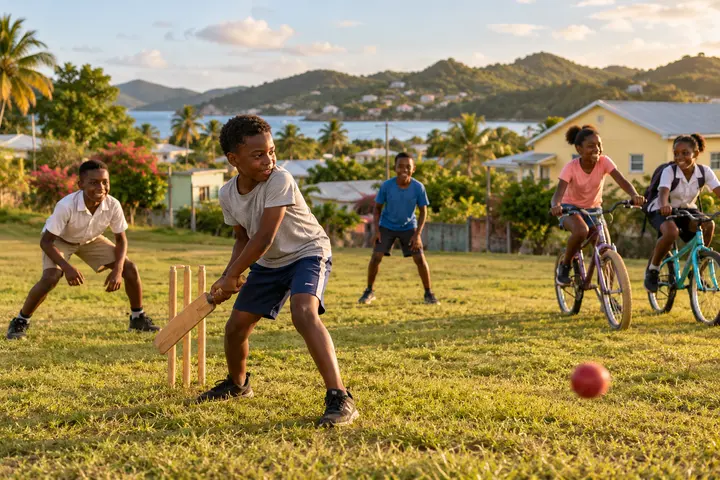
Cricket, football, athletics, dance, steel pan, Carnival groups, church and youth organisations give children different places to develop confidence. Beaches and open spaces matter too, although not every child swims or spends every weekend by the sea. Island childhood is diverse rather than one endless outdoor adventure.
Technology changed the experience
Today’s children grow up with phones, streaming, online games and global social media while still navigating the intimacy of a small society. New slang moves quickly and international trends are adapted locally. The result is not the disappearance of Antiguan identity but a continuing negotiation between local community and global culture.
Avoid romanticising childhood
Warm weather and familiar neighbours do not remove economic difference, academic stress, household duties or family challenges. Some children travel widely; others have never visited parts of the island. The honest story comes from listening to several generations and recognising both the freedoms and limits of growing up here.
A NOTE ON PERSPECTIVE
No single voice represents every Antiguan.
This guide reflects local experience and careful review, but communities, households and generations differ. Where a subject deserves several voices, treat this as a starting point rather than the final word.