LOCAL PERSPECTIVE
The short version
Antigua’s place names preserve layers of Indigenous, colonial, estate, family, religious and geographic history. Some origins are documented clearly; others survive through local memory with more than one explanation.
Why place names deserve careful reading
A map of Antigua is also a record of power. Some names honour British officials or estate owners; others describe geography, families, churches or communities formed after emancipation. Repeating a name without context can make plantation history sound harmless, while examining it reveals who controlled land and who laboured on it.
St John’s, English Harbour and colonial administration
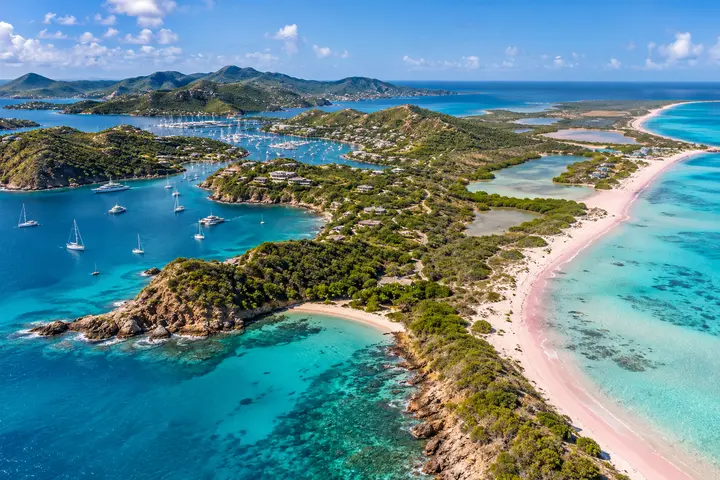
St John’s developed as the capital and commercial port, while English Harbour reflects the protected naval anchorage that shaped the south. These familiar names show how colonial government and maritime strategy imposed an official geography. The communities around them, however, were built and sustained by generations whose names are less visible on maps.
Liberta and the geography of emancipation
Liberta is often connected with freedom and the settlement of emancipated people after slavery. Its story illustrates how community identity can carry political meaning. Land access, churches, family networks and labour did not transform overnight in 1834, but settlements created spaces where formerly enslaved people could build institutions and a different social future.
Estate names remain in everyday directions
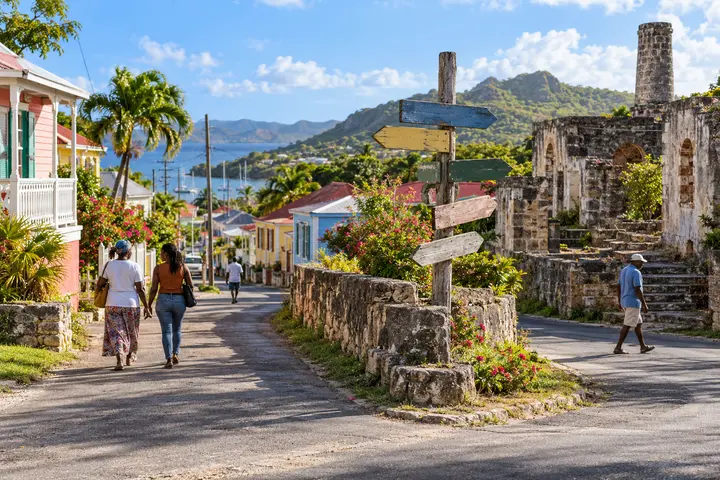
Many districts and villages developed around sugar estates, and estate names still appear in roads, ruins and local speech. Those names can help locate historical records, but they should not be detached from slavery. A picturesque mill tower represents an industrial system powered by coerced African labour, not simply an architectural style.
Oral history sometimes preserves competing explanations
Not every village-name story has one documented answer. Families may repeat explanations that differ from archival accounts, and spellings can change. Responsible storytelling separates what is recorded from what is remembered. Both matter, but they should not be presented with the same certainty when evidence is limited.
How visitors can explore place names respectfully
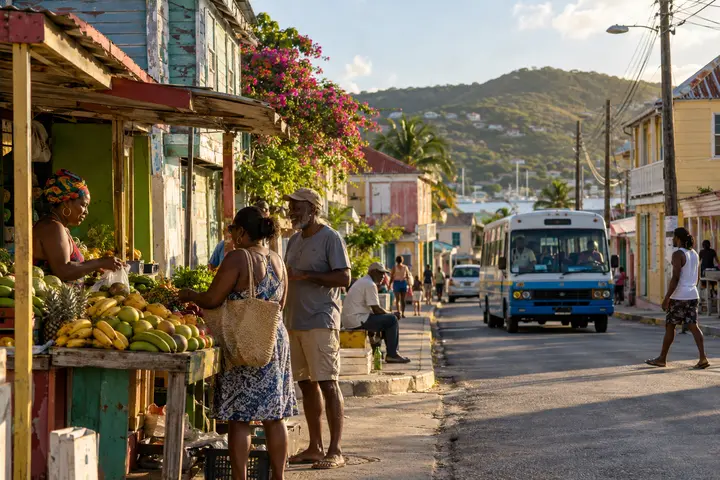
Learn the names of the communities you pass and ask open questions rather than demanding a dramatic legend. Visit museums and heritage sites, compare sources and notice which people are missing from official markers. A village is not a historical display; it is a living place whose past continues through families, institutions and land.
A NOTE ON PERSPECTIVE
No single voice represents every Antiguan.
This guide reflects local experience and careful review, but communities, households and generations differ. Where a subject deserves several voices, treat this as a starting point rather than the final word.